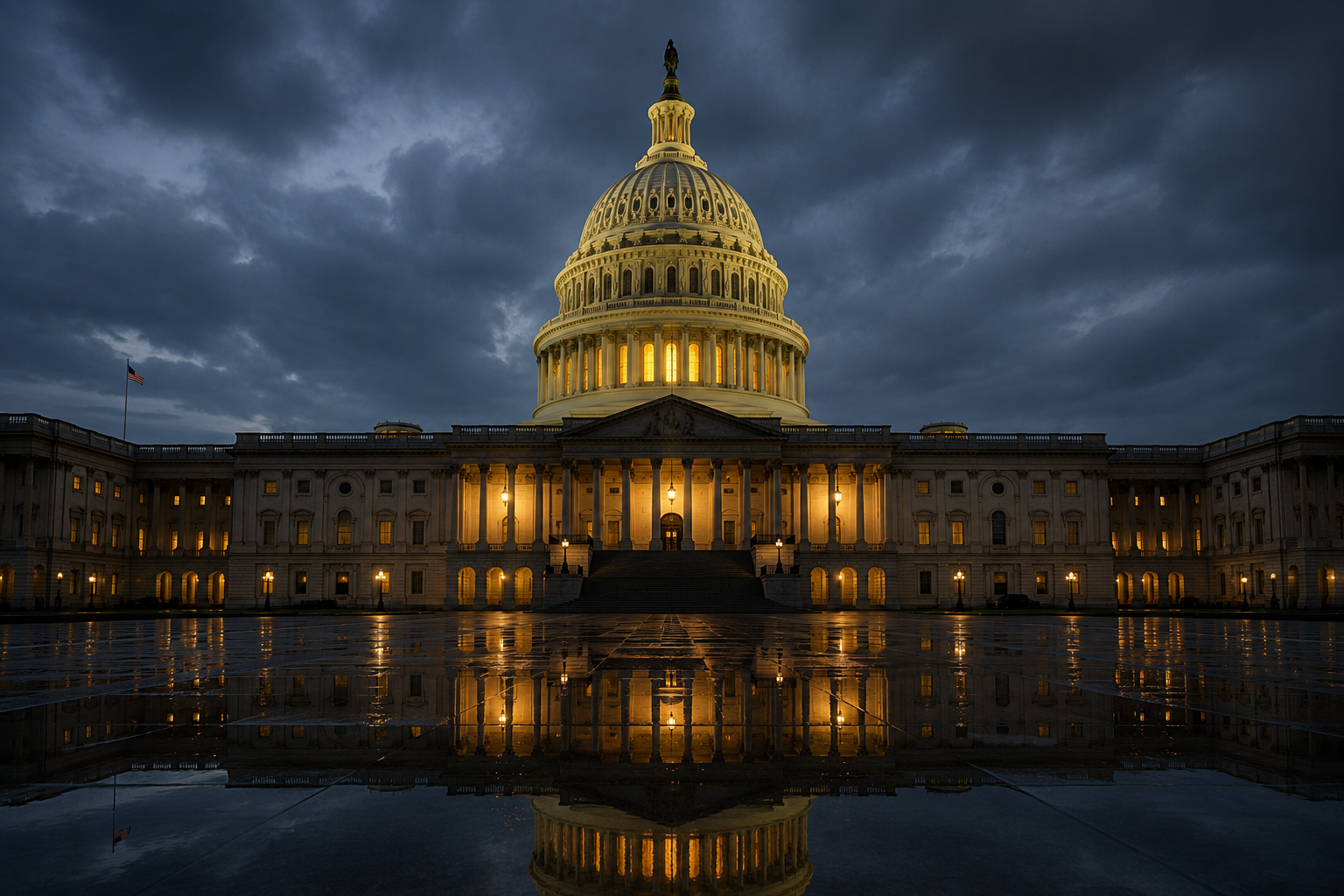
America’s Second Constitutional Crisis
Polarization is no longer a bug. It is the system.
The framers of the United States Constitution designed a government intended to balance competing interests. Checks and balances were supposed to prevent concentration of power while encouraging compromise.
Today, however, compromise itself appears increasingly elusive.
Political polarization has evolved beyond disagreement into structural division. Elections are fought not merely over policy but over competing visions of legitimacy, governance, and national identity.
Institutions that once served as neutral arbiters are increasingly viewed through partisan lenses. Courts, election officials, universities, and media organizations all find themselves caught within broader political battles.
The danger lies not only in disagreement but in the erosion of shared trust. Democracies depend on a common acceptance of rules, procedures, and outcomes. When those foundations weaken, constitutional systems face unprecedented stress.
Yet crises often reveal opportunities for renewal. Throughout American history, periods of intense conflict have been followed by institutional reforms that strengthened the republic.
Whether the current moment becomes a turning point or a prolonged period of instability remains an open question.
Leave a Reply